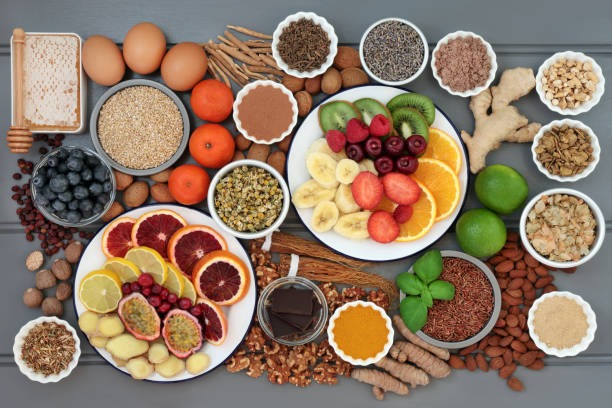








Lifestyle choices play a crucial role in determining health outcomes, influencing both the quality and length of life. Decisions related to diet, physical activity, sleep patterns, stress management, and substance use directly impact the body’s ability to function optimally. For example, a balanced diet rich in fruits, vegetables, whole grains, and lean proteins provides essential nutrients that support bodily functions and reduce the risk of chronic diseases such as diabetes and heart disease. Conversely, diets high in processed foods, sugars, and unhealthy fats are linked to obesity and other metabolic disorders.
Physical activity is another significant factor affecting health outcomes. Regular exercise strengthens the cardiovascular system, improves muscle tone and flexibility, enhances mental well-being through endorphin release, and helps maintain a healthy weight. Sedentary behavior has been associated with increased risks of various conditions including hypertension and certain types of cancer. Incorporating moderate physical activities like walking or cycling into daily routines can substantially improve overall health.
Sleep quality also influences how well individuals recover from daily stressors and maintain cognitive function. Insufficient or poor-quality sleep is connected to impaired immune response as well as higher susceptibility to illnesses such as depression or anxiety disorders. Establishing consistent sleep schedules supports hormonal balance necessary for metabolism regulation.
Stress management techniques contribute significantly toward healthier outcomes by reducing harmful physiological responses triggered during prolonged periods of tension. Chronic stress elevates cortisol levels which may outsfl.com lead to inflammation contributing to cardiovascular problems among other issues. Practices like mindfulness meditation or engaging in hobbies help lower stress hormones promoting better emotional resilience.
Substance use including tobacco consumption negatively affects lung capacity while increasing risks for cancers primarily linked with respiratory organs; alcohol misuse impairs liver function alongside neurological damage over time; recreational drug abuse disrupts multiple organ systems leading potentially fatal consequences if persistent.
The interplay between these lifestyle factors often determines an individual’s vulnerability or resistance against diseases throughout their lifetime. Adopting positive habits early on can prevent many avoidable ailments while improving longevity rates globally becomes more achievable when populations embrace healthier ways of living collectively rather than relying solely on medical interventions after illness onset.
Health professionals emphasize education about lifestyle impacts so people make informed decisions enhancing their wellbeing proactively instead of reactively addressing symptoms later down the line when complications arise requiring extensive treatment efforts sometimes involving costly procedures with limited success chances depending on severity level reached before intervention occurs.